CADET ATTACHMENT PROGRAM
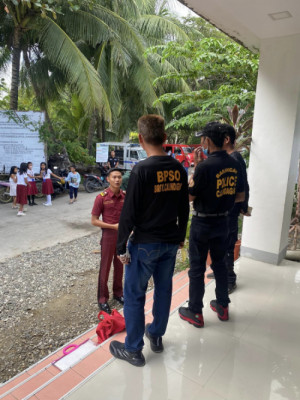
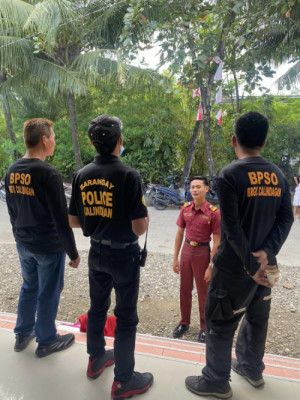
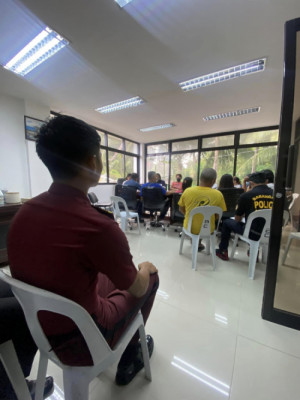
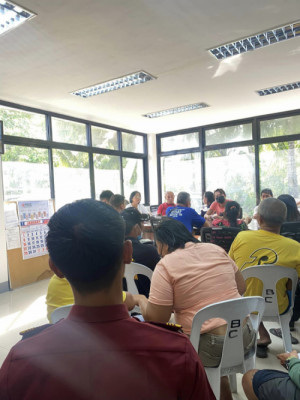
The Chief of Police, together with representatives of the local government including the Chairman, Kagawad, and Barangay Police, convened in a monthly meeting to discuss strategies for reducing drug abuse within the area. Despite feeling initially shy upon entering the barangay hall, I eventually adjusted to the situation and recognized the urgency of addressing the drug crisis, which would worsen if the Dumaguete City Police Station did not take action.
Active participation in such community meetings strengthens the bond between the police and the neighborhood, which is crucial for building trust and collaboration with the community. As a future police officer, establishing a strong relationship with the people and community is essential to ensuring public safety.
By becoming familiar with the inner workings of a given barangay and engaging in community projects, one can stay informed about the situation on the ground. Furthermore, a cooperative community is one that is more likely to provide information that could be useful in preventing criminal activity.
It is worth noting that not all residents of the local area may be eager to contribute to the effort to enhance public safety. However, the significance of the community's role in preventing crime cannot be overstated, and continued efforts to strengthen relationships with the public are necessary to maintain their trust and support.
Participation in BADAC meetings represents a valuable opportunity for learning. Future first-class cadets undergoing the Cadet Attachment Program would benefit from engaging in such activities, as it enables them to interact with local government units and their personnel. BADAC meetings also serve as a useful platform for gaining knowledge about the criminality rate in a particular barangay, an essential factor in developing effective law enforcement strategies.
Sixth Day: BADAC Participation
References: Major General Schofield, J. (1879) "11 Leadership principles", Be Technically and Tactically Proficient Dialogue with PEMS Gonzaga of DCPS (Chief PCR) Dialogue with Barangay Captain Pahayahay of Barangay Calindagan
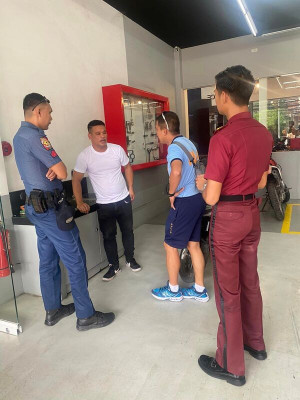
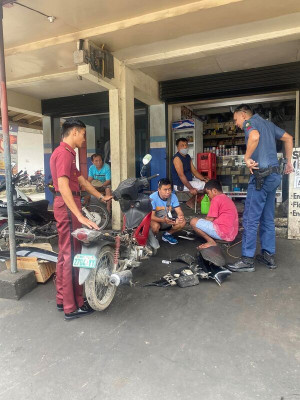
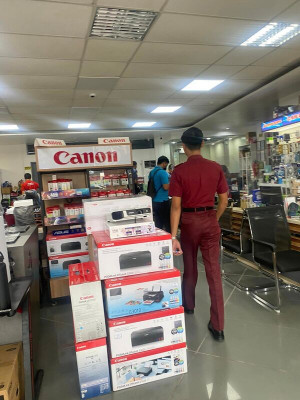
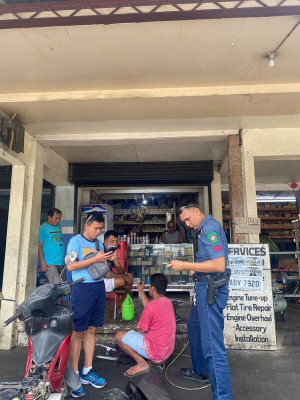
The ninth day of the Cadet Attachment Program was a tiring experience for me, as I accompanied the personnel of the logistics section of the Dumaguete City Police Station while they performed their duties. The Logistics section plays a critical role in ensuring the efficient provision of public service by verifying the proper operation of all computers and motor vehicles used by the station. As they went about searching for motor and computer stores in the locality to find the required parts, the personnel of DCPS received encouraging support from the community. This highlights the positive impact of effective policing on a community.
As a future Police Officer, an essential aspect of public service is being aware of the infractions of the station. This demonstrates care for colleagues and resources and allows for the identification of any issues faced by the station. I had the opportunity to fulfill this role as the supply sergeant of the Hawk Company in the Philippine National Police Academy's Cadet Corps.
The work of cadet officers in the Cadet Corps differs significantly from that of the different sections of a police station. In contrast to the Logistics section of the Dumaguete City Police Station, which is responsible for acquiring the station's logistical needs by traveling and working outside the office, cadets in the Academy are not involved in such activities.
The procurement of essential equipment, tools, and necessities for a police station is a critical responsibility mandated to the Logistics section. This section conducts canvassing and purchases the necessary items for the improvement of the station. Police officers cannot carry out their duties without the requisite tools and equipment, and it is therefore crucial to note that the logistics section provides the necessary tools to normalize the station's function.
In conclusion, the logistics section serves as the backbone of police operations, and without logistical support, a police station is ineffective. Therefore, the logistics section of a police station plays a vital role in ensuring the successful functioning of the station and enabling effective policing.
References: Guidance from PMSg Toñares(Chief Supply, DCPS) Guidance from PCpl Sanguin (assistance Supply PNCO of DCPS)
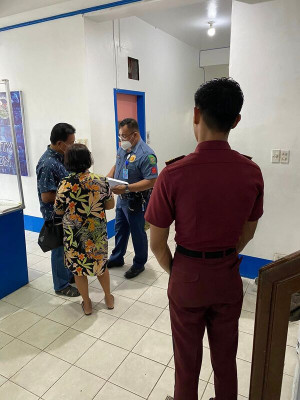
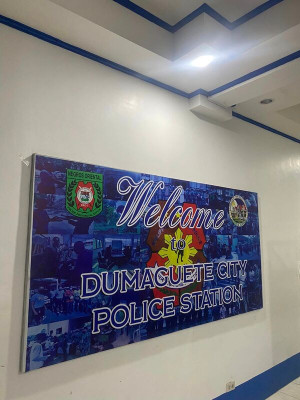
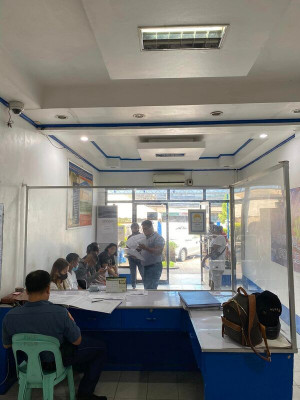
The role of the police desk officer is of utmost importance in any police station, as they serve as the first point of contact for the public and are responsible for managing inquiries and concerns. As I immersed myself at the Dumaguete City Police Station front desk section on my eighth day, I realized the significance of the desk officer's job in maintaining the efficiency and efficacy of a police station.
One of the primary responsibilities of the desk officer is to maintain the police blotter, which records the facts and details of the public's concerns. The desk officer should also guide the public to the appropriate section of the station while exhibiting empathy and compassion towards their concerns. In order to effectively cater to client inquiries and queries, it is crucial that personnel of the local police station are trained to handle them in a benevolent manner. This will not only aid in building a strong relationship with the community but also demonstrate the ethical performance of our duties as public servants.
It is worth noting that the efficiency and accommodating nature of the desk officer reflect the overall effectiveness of the police station. As a result, it is essential that personnel manned on these posts are adaptable to handling unforeseen circumstances and pressure, as they encounter individuals from all walks of life.
The role of a police desk officer is a manifestation of servant leadership, as they serve ordinary citizens daily through law enforcement response or delivery of essential services. As public servants, we are entrusted with the mandate of prioritizing public welfare above all else. Thus, serving the people should be viewed as a pleasure and not a chore.
In preparation for future First class Cadets who will undergo CAP, the acquisition of skills necessary to become technically proficient in writing in the Police Blotter book of the station is vital. This skillset will serve as an edge for them to effectively fulfill the responsibilities of a desk officer and efficiently manage inquiries and concerns at the front desk of the police station.
References: Guidance from PCpt Benigay (Chief WCPD, DCPS)
Major General Schofield, J. (1879) "11 Leadership principles", Know Yourself and seek self improvement
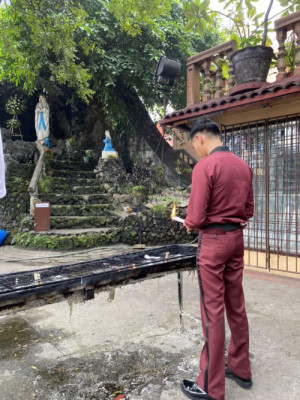
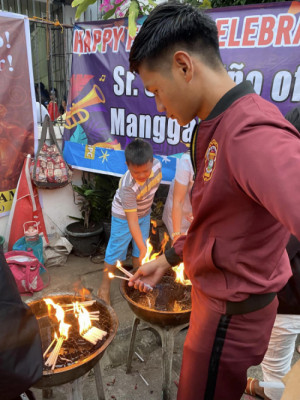
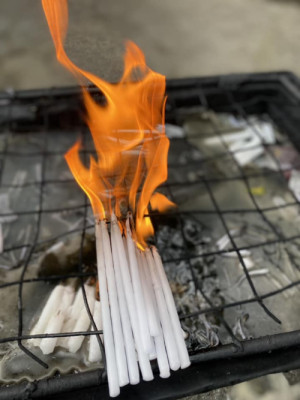
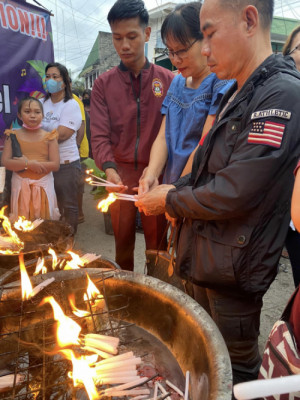
The 25th of January 2023 marked a somber day in the history of the Philippines, as it commemorated the loss of 44 brave Special Action Force (SAF) troopers who sacrificed their lives for their country. As a person with a deep religious conviction, I felt it was my duty to pay my respects to the fallen heroes by visiting the Dumaguete City Cathedral and praying for their souls. Such an action not only pays tribute to the gallant SAF 44 but also serves as a symbol of the Philippine National Police's unwavering dedication to honoring their comrades.
This act of remembrance and respect will also provide me with a sense of comfort and appreciation for the brave service and honor displayed by the SAF 44. As a future member of the Philippine National Police, it reinforces my desire to serve the people of this nation, not only through physical service but also through prayer.
To the future First Class Cadets of the Philippine National Police Academy, I recommend that you connect with the various religious sectors of the community. By doing so, you are not only practicing the core values of the academy but also exhibiting your dedication to your faith and the community at large. Such partnerships can lead to a sharing of knowledge and resources, ultimately creating a more harmonious and cohesive society.
The brave SAF 44 troopers were highly trained and educated, their legacy serves as a valuable lesson for future generations of SAF troopers who are expected to carry out delicate police operations. One crucial lesson that must be ingrained in all personnel is the importance of being accountable to their men during times of hardship.
The families and friends of the fallen SAF 44 troopers have been seeking justice for almost a decade. The men responsible for their deaths were associated with anti-government and leftist groups who sought to overthrow the Philippine government. While justice may be slow to come, it is evident that the brave actions of the SAF 44 were not in vain. Their sacrifices serve as a beacon of courage and inspiration for all those who wish to serve their country and people with honor and valor.
Reference: Major General Schofield, J. (1879) "11 Leadership principles", Seek Responsibility and Take Responsibility for Your Actions
Eighth Day: The Desk Officer
Ninth Day: Logistics Section
Tenth Day: Paying My Respect to the SAF 44